




The development of Iraq warehousing has become a critical component of the country’s logistics and supply chain ecosystem. As Iraq continues to rebuild its infrastructure and expand trade activities, warehousing plays a strategic role in supporting import, export, and domestic distribution operations. Modern warehousing is no longer limited to storage; it is a value-creating function that improves efficiency, reliability, and market responsiveness.
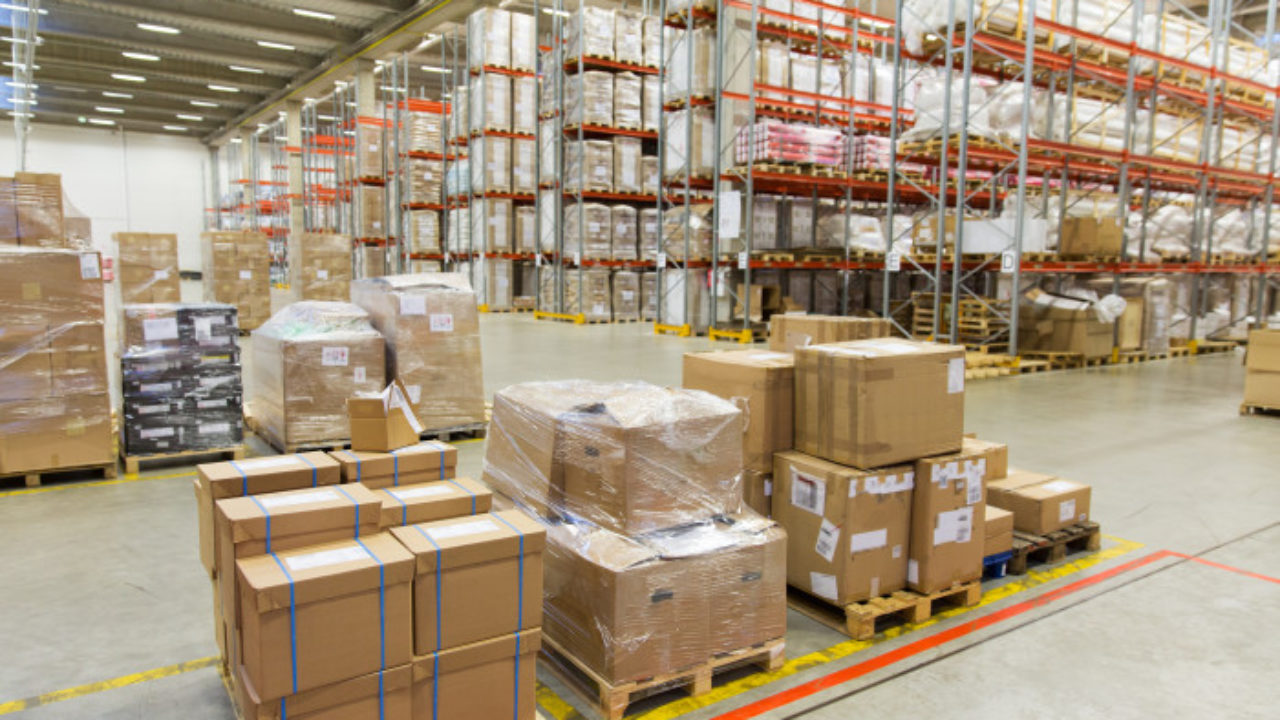
The Strategic Importance of Iraq Warehousing
Warehousing serves as a stabilizing element within supply chains, and Iraq warehousing is essential for managing fluctuating demand, transportation delays, and regulatory procedures. By providing secure storage points, warehouses allow goods to be positioned closer to markets and end users.
In a country with diverse geographic and economic conditions, warehousing enables smoother distribution across regions. It supports continuity of supply for industries, retailers, and large-scale projects that depend on consistent material availability.
Iraq Warehousing and Trade Operations
International and domestic trade rely heavily on effective Iraq warehousing solutions. Imported goods often require temporary storage during customs clearance or before distribution, while exporters use warehouses to consolidate shipments and manage inventory.
Warehousing also supports transit trade by enabling cargo handling and redistribution. This function enhances Iraq’s potential role as a regional logistics corridor and improves overall trade efficiency.
Types of Warehousing Facilities in Iraq
The Iraq warehousing sector includes a variety of facility types designed to meet different operational needs.
General warehouses are widely used for consumer goods, industrial materials, and spare parts. These facilities offer standard storage and handling services and are typically located near major cities and transport routes.
Bonded warehouses play a key role in international trade by allowing goods to be stored under customs control without immediate payment of duties. This type of warehousing provides financial flexibility and supports re-export activities.
Temperature-controlled warehouses are increasingly important for food, pharmaceuticals, and other sensitive products. As demand for these goods grows, specialized warehousing capacity becomes a critical logistics asset.
Infrastructure and Location Advantages
Infrastructure development directly impacts the performance of Iraq warehousing. Warehouses located near ports, border crossings, airports, and industrial zones reduce transportation costs and delivery times.
Modern warehousing facilities feature improved layouts, loading docks, racking systems, and material handling equipment. These features increase storage capacity and improve operational efficiency, enabling higher throughput with lower risk of damage or loss.
Technology and Warehouse Management Systems
Technology is transforming Iraq warehousing by introducing greater accuracy, visibility, and control. Warehouse management systems support inventory tracking, order processing, and space optimization.
Digital tools reduce manual errors and improve coordination between warehousing and transportation operations. Real-time inventory visibility allows businesses to respond quickly to market changes and customer demand.
Iraq Warehousing and Industry Support
Different industries depend on Iraq warehousing to support their operations. Construction and industrial sectors rely on warehouses for storing machinery, tools, and project materials. Retail and consumer goods sectors use warehousing to manage high-volume distribution and seasonal demand.
The oil and gas sector requires specialized storage solutions for equipment, spare parts, and materials. Warehousing ensures that critical items are available when needed, reducing downtime and operational risk.
Challenges in Iraq Warehousing
Despite ongoing progress, Iraq warehousing faces several challenges. Infrastructure limitations in some regions, inconsistent power supply, and security considerations can affect warehouse operations.
Another challenge is the availability of skilled warehouse management professionals. Training and workforce development are essential to improve operational standards and adopt modern practices.
Addressing these challenges requires investment, planning, and collaboration between public and private stakeholders.
Private Sector Investment and Growth
Private sector participation has been instrumental in advancing Iraq warehousing capabilities. Local and international investors are developing modern warehouses, logistics parks, and integrated storage solutions.
These investments introduce global standards, improve service quality, and expand capacity. Public-private partnerships further support infrastructure development and regulatory alignment, strengthening the warehousing sector.
Iraq Warehousing and Supply Chain Resilience
Supply chain resilience depends on reliable storage and distribution networks. Iraq warehousing enhances resilience by providing buffer capacity that absorbs disruptions caused by transportation delays or demand fluctuations.
Warehouses enable inventory positioning strategies that reduce risk and improve service continuity. This resilience is particularly important in dynamic and complex trade environments.
Sustainability in Iraq Warehousing
Sustainability is becoming an important focus in Iraq warehousing development. Energy-efficient buildings, optimized layouts, and responsible resource management reduce operating costs and environmental impact.
Sustainable warehousing practices also support long-term growth by aligning logistics operations with global environmental standards and expectations.
Future Outlook of Iraq Warehousing
The future of Iraq warehousing is closely linked to trade growth, infrastructure modernization, and technological adoption. As supply chains become more complex, demand for advanced warehousing services will continue to rise.
Integrated logistics centers, automation, and digital management systems are expected to shape the next phase of warehousing development in Iraq. These advancements will improve efficiency and competitiveness across the logistics sector.
Conclusion
In conclusion, Iraq warehousing is a foundational pillar of the country’s logistics and supply chain framework. By supporting trade, enabling efficient distribution, and strengthening supply chain resilience, warehousing contributes directly to economic development. With continued investment, modernization, and skilled workforce development, Iraq warehousing will remain a key driver of efficiency, stability, and long-term growth.